

Best Hydrocelectomy Surgeons in Bengaluru
Get Exact Pricing Today
At Even Hospitals, we offer effective surgery for hydrocele removal, ensuring fast recovery and long-term relief.

Completely Private Consultations
Experienced Surgeons Offering Precise Care
Effective Pain Management
24-hours to 48-hours Hospital Stay
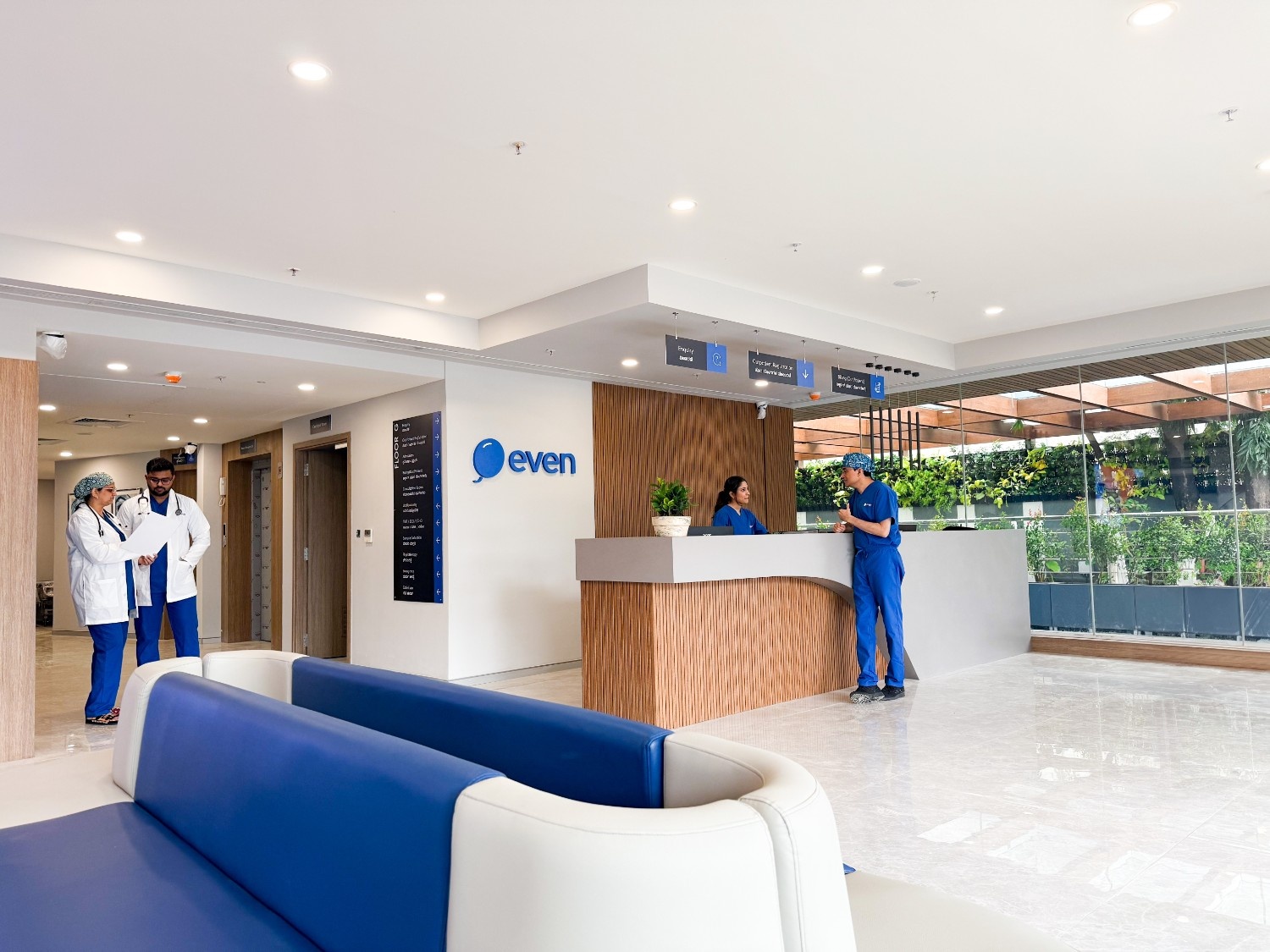
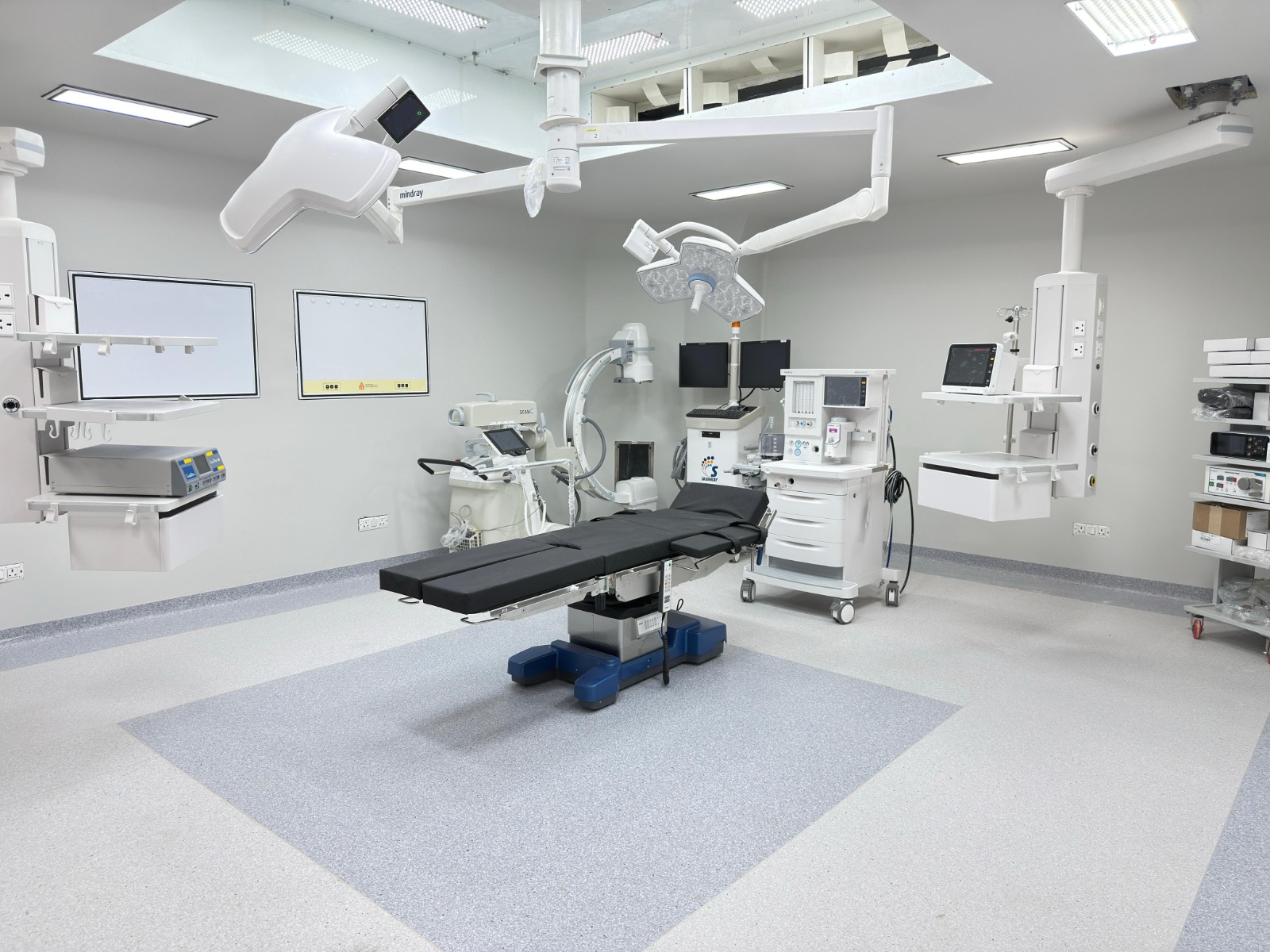
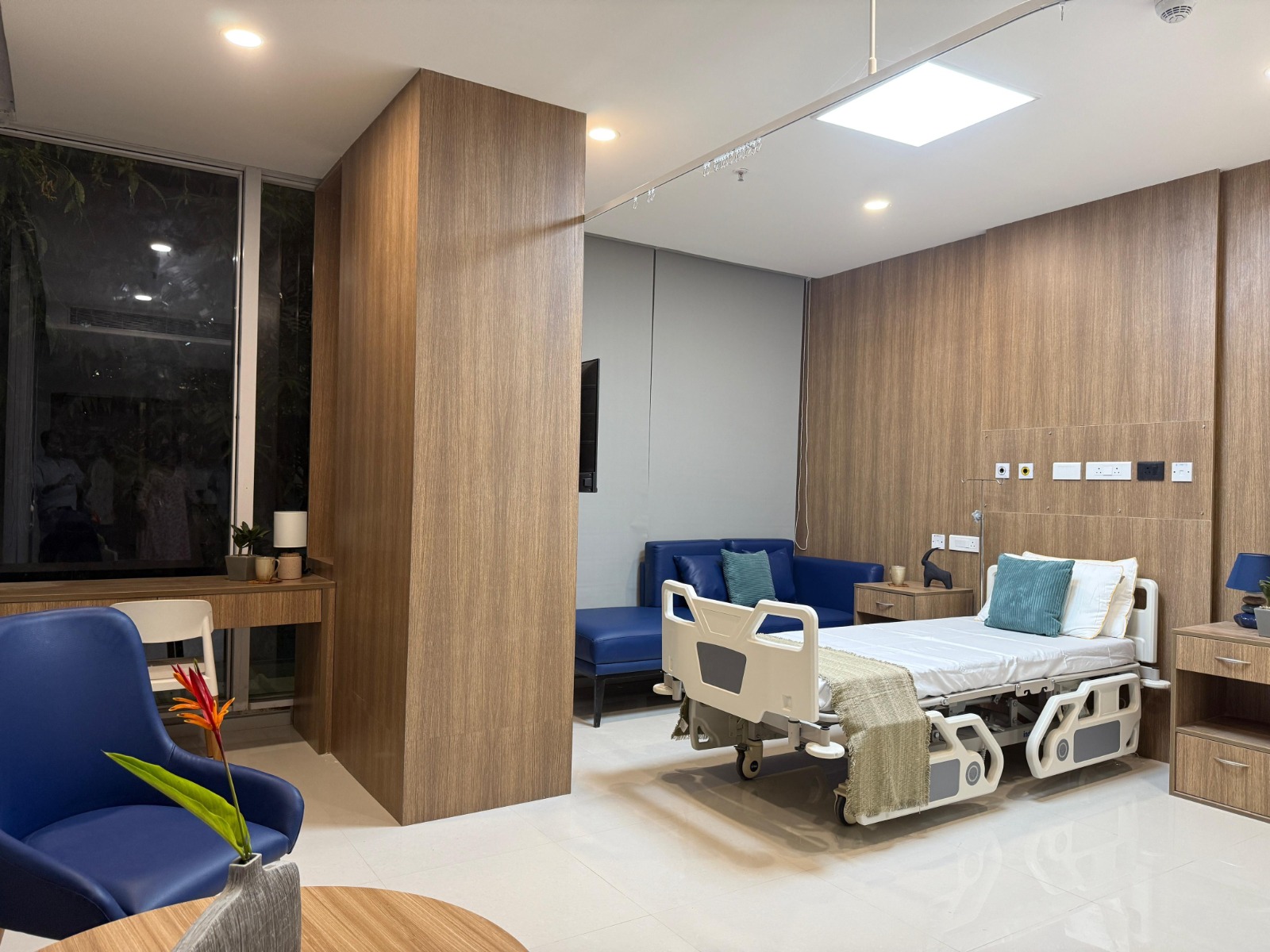
Take a virtual tour of
Even Hospital
Before you visit, explore our world-class facilities, patient-first spaces, and advanced medical infrastructure, all designed with your comfort in mind.
Book an Appointment
With our expert Urologists in Bengaluru

Surgery Cost Estimator Know the Approximate Cost of Hydrocele Surgery

What To Expect During
Hydrocele Surgery
Your Step-by-Step Care Journey at Even Hospitals:
Step 1: Pre-Surgery Consultation
(1-2 Days Before Surgery)


- Discuss your symptoms and get an initial assessment.
- You’ll receive clear instructions on how to prepare for the procedure.
Step 2: Day of Surgery
(Same-Day or 1-Night Stay)


- Anaesthesia: Local or general, depending on the case.
- Procedure Time: 30-45 minutes.
- Surgical Approach: Open or laparoscopic hydrocelectomy depending on the size and complexity of the hydrocele. Laser hydrocelectomy may be available but is less commonly used.
Step 3: Post-Surgery Recovery
(1-2 Days)


- Rest and recover at home. Minimal discomfort with prescribed pain management.
- Resume light activity in 2-3 days; avoid heavy lifting for a few weeks.
Step 4: Follow-Up and Full Recovery
(1 Week to 1 Month)


- Follow-up consultation to ensure proper healing.
- Full recovery in 1-2 weeks; resume normal activities as instructed.

FAQs
In adults, persistent hydroceles rarely disappear on their own. Needle drainage usually refills and carries a risk of infection. Hydrocelectomy is the definitive, long-term treatment.
It is usually due to an imbalance of fluid around the testicle. This can occur after minor inflammation, injury, or infection, or along with a hernia. Diagnosis is confirmed with an ultrasound and basic tests.
Many hydroceles are harmless but may gradually enlarge, causing heaviness, pain, skin irritation, and limits in daily activity. Surgery is advised if it is symptomatic, very large, recurrent, or cosmetically bothersome.
Most cases are treated with open hydrocelectomy through a small scrotal incision and take about 30–45 minutes. Communicating types may need a different approach. Usually, 24–48 hours of observation is advised.
Gentle walking can start the same day. Desk work and driving are usually possible in 3–5 days once braking is comfortable. Heavy lifting and cycling should be avoided for 2–3 weeks. Swelling may take a few weeks to fully settle.
A hydrocele usually does not affect fertility, testosterone levels, or sexual function. Very large or long-standing swellings, or associated testicular problems, are evaluated and treated if required.
Bruising, swelling, infection, or fluid re-accumulation can occur but are uncommon with proper care. Using scrotal support, elevation, and attending follow-ups helps recovery. Recurrence after surgery is rare.